RouteDawg logistics
RouteDawg
Dispatch and route planning for small carriers.
Implemented · tested · marketing site live · demo hosted.
Small trucking companies lose money when one high-paying load leaves a truck stranded far from its next job. RouteDawg gives the office one place to see the best available loads, compare ranked multi-load routes, book and dispatch. Drivers get a simple phone app. Rate confirmations are read automatically and double-checked.
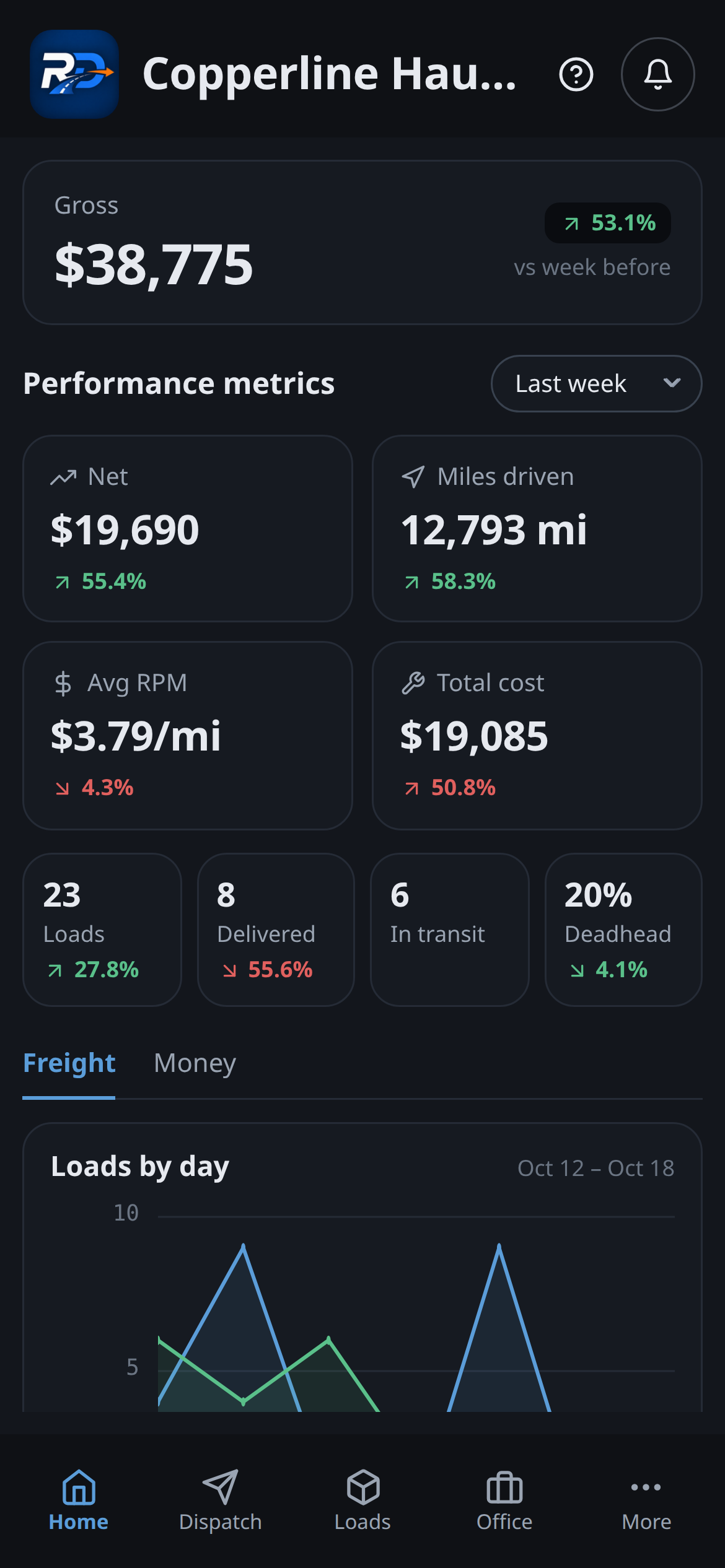
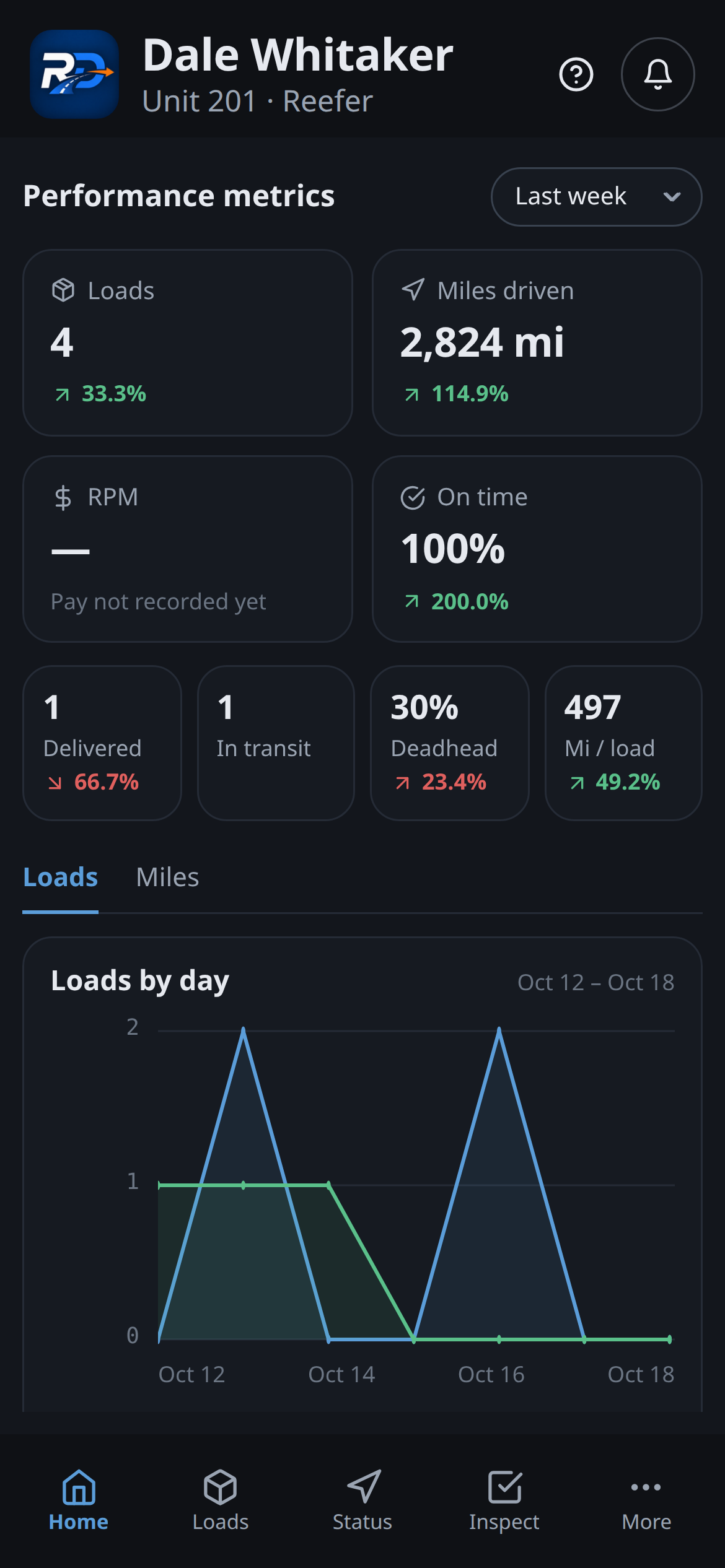
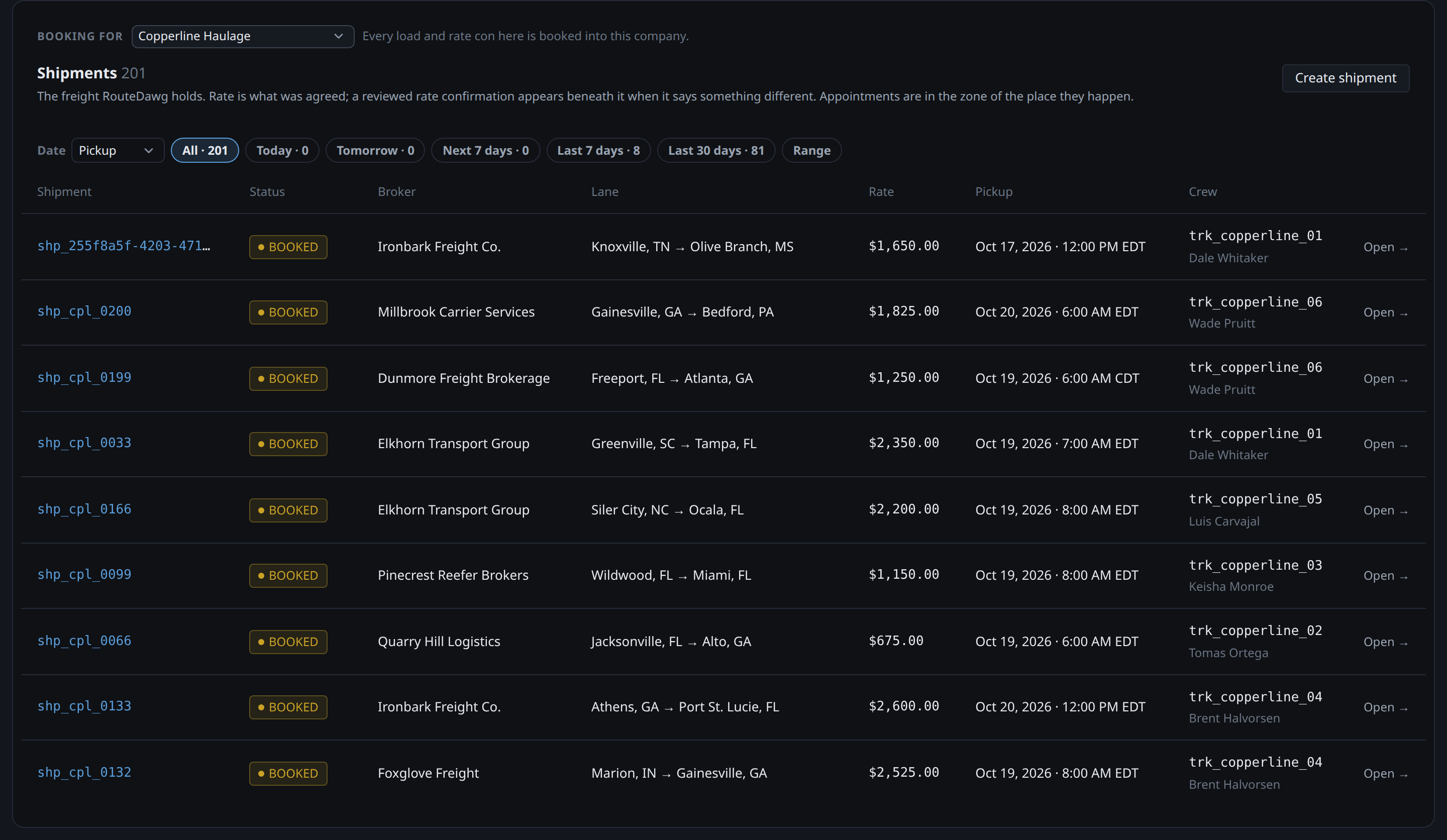
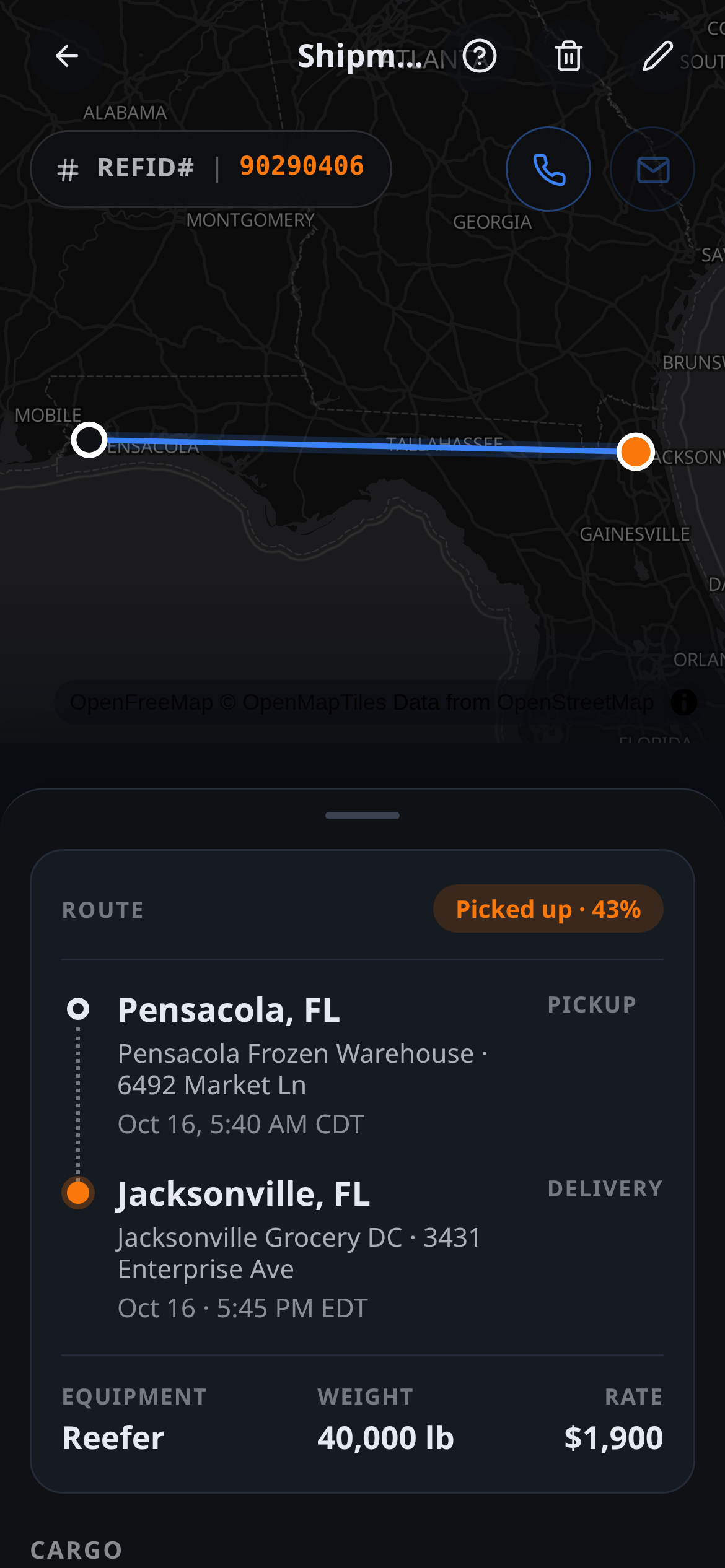
- 91screensadmin console 34 · manager 33 · driver 14 · sign-in 6 · public 4
- 70public tables with row-level security119 policies
- 3installable appsadmin console, manager, driver
Overview
RouteDawg is a carrier-operations product built on Postgres with row-level security and Deno edge functions. Writes pass through a trusted command boundary, Deno edge functions for the core commands and Postgres functions for newer features, with idempotent core commands and conflict detection.
Route planning runs as a durable asynchronous pipeline: an outbox and a scheduled worker call a planning host, which runs the Python engine of Route Optimizer, a separate system, through versioned JSON contracts. The engine builds two- and three-leg routes, checks pickup windows and one continuous driver hours-of-service timeline across every leg, and ranks complete routes by what the carrier keeps after fuel.
The planning host runs a pinned, archived Route Optimizer build with a recorded rollback; cross-system tests run against fixed Route Optimizer checkouts. Rate confirmations are parsed deterministically, then read again independently by an LLM, and disagreements go to review.
The original React Native client was rebuilt as a Next.js admin console plus manager and driver PWAs that keep session tokens in httpOnly cookies rather than browser storage. Status: multi-company isolation is in place, the marketing site is live and a demo is hosted.
Visuals
Case studies
-
Frontend
Manager and driver apps, admin console
Implemented · tested (static; mutation checks documented) · behind sign-in on the demo domain
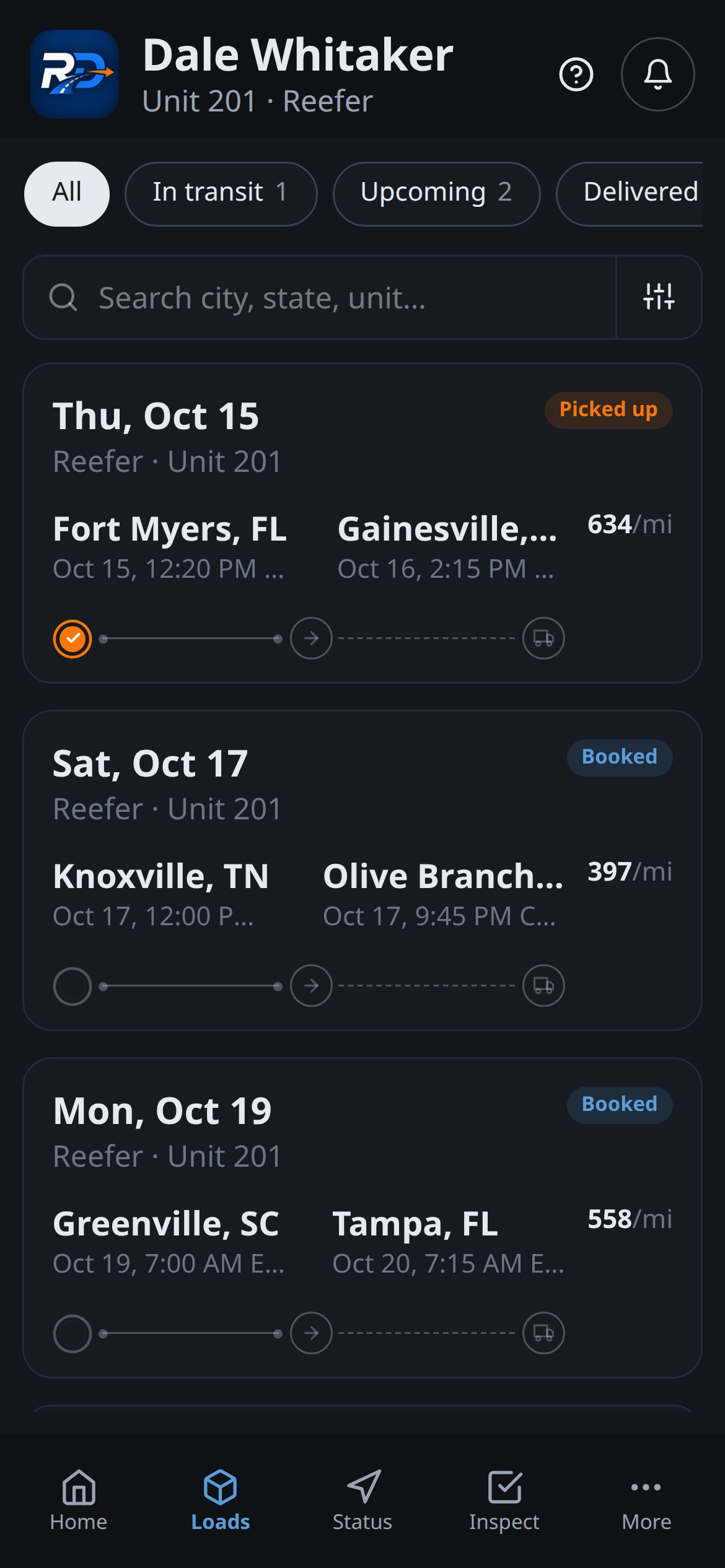
Office staff and drivers need different tools. I rebuilt RouteDawg's original mobile app as installable web apps: an admin console for planning and dispatch, a manager app, and a driver app for loads, status and inspections. Managers get push alerts.
-
Backend
Durable planning pipeline and trusted commands
Implemented · tested (static) · multi-company · demo hosted
A trucking office needs one trustworthy record of trucks, drivers, loads and plans, even when several people work at once. RouteDawg's backend checks every change at a trusted boundary, makes retries safe for its core commands, and runs route planning in the background, with problems surfaced for attention instead of lost.
-
Algorithms
Rules-aware multi-leg route planning
Implemented · heavily tested (static) · local
Small trucking companies lose money when a high-paying load leaves a truck stranded far from its next job. The planning engine looks two and three loads ahead: it checks pickup times, empty miles and driver hours on every leg, then ranks complete routes by what the carrier actually keeps after fuel.
-
Frontend
Early-access launch site
Deployed (public demo URL) · early-access form implemented
A launch page that explains, in a carrier's own terms, why a good route beats a single high-paying load. It walks visitors from where the truck is to a ranked route, shows the phone and office apps, answers common questions, and invites early-access requests.